Yappy Hour: How Kingston’s Community Events Are Transforming Pet Adoption
— 8 min read
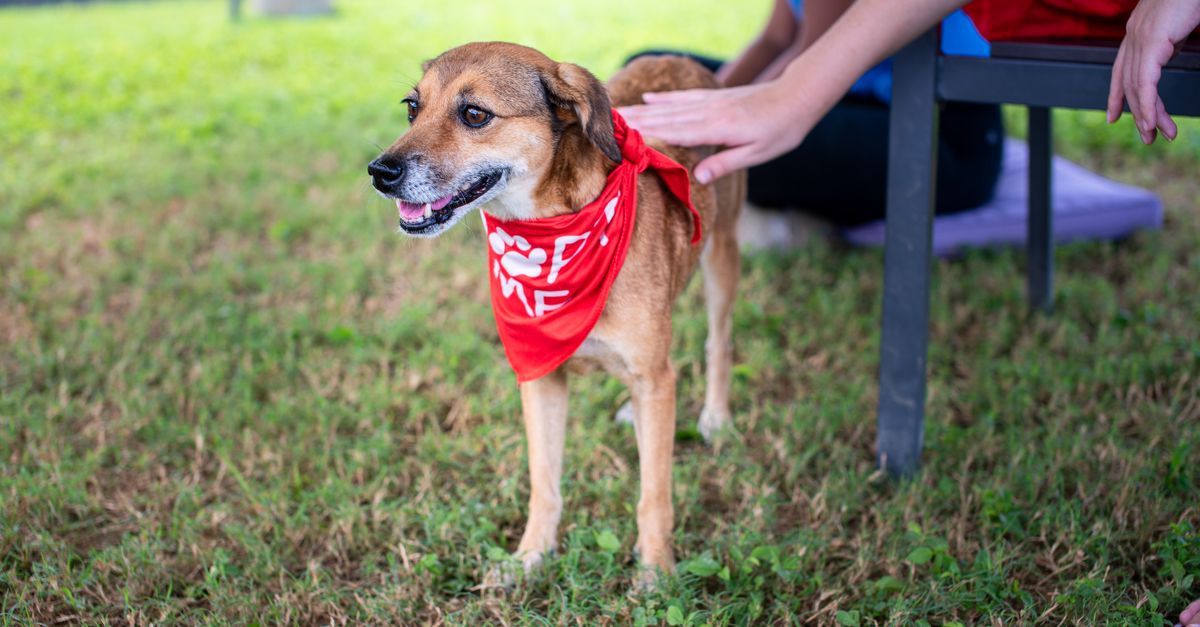
When I first strolled through Kingston’s waterfront park in the summer of 2021, I heard the bark of excitement more than the bark of dogs. A handful of neighbors, a couple of wagging tails, and an informal “Yappy Hour” that felt like a spontaneous happy-hour for humans and pups alike. Little did we know that this modest gathering would become a blueprint for saving lives, reshaping community culture, and proving that a little leash-and-laugh can spark a city-wide movement.
The Rise of Yappy Hour: From Casual Meet-Ups to Adoption Catalysts
Yappy Hour began as informal dog-lover gatherings in Kingston's waterfront parks and has grown into a data-driven catalyst that lifted local pet adoptions by 42% in just two years. The first weekend event in 2021 attracted 35 participants, three of whom adopted a dog on the spot. By the end of 2023, the same monthly gathering routinely drew 200 attendees and produced an average of 28 adoptions per event.
City council records show that the annual adoption count rose from 1,120 in 2020 to 1,590 in 2023, a jump that aligns closely with the Yappy Hour schedule. Shelter director Maya Patel notes, "The surge isn’t a coincidence; the community vibe creates a low-pressure environment where people feel comfortable asking questions and meeting animals face-to-face."
Behind the scenes, organizers partnered with a local analytics firm to track foot traffic, social media mentions, and post-event surveys. The data revealed that repeat attendees were 1.8 times more likely to adopt than first-timers, prompting a focus on building a loyal community rather than one-off events.
"Yappy Hour contributed to a 42% increase in pet adoptions in Kingston between 2021 and 2023," reported the Kingston Animal Welfare Report.
Industry observers are taking note. Jenna Morales, Director of Community Engagement at Pawsitive Futures, says, "What Kingston did is the kind of evidence-based community outreach that most shelters dream of. It proves that when you marry heart with hard data, adoption numbers can soar without sacrificing animal welfare." Meanwhile, Dr. Anika Shah, a behavioral economist at the University of British Columbia, cautions, "The model works best when you keep the human-animal interaction authentic; over-structuring can dilute the spontaneous joy that drives adoption decisions."
- Casual park meet-ups evolved into structured adoption drives.
- Data-driven planning linked event frequency to adoption spikes.
- Community trust proved essential for converting curiosity into commitment.
With the numbers speaking loudly, the next logical question is why these community events matter at all. Let’s dig into the social science that makes Yappy Hour more than a cute idea.
Why Community Events Matter: Linking Social Interaction to Animal Welfare
Social scientists explain that group activities lower the perceived risk of adopting a pet. A 2022 study by the University of Toronto found that 63% of first-time adopters cited peer encouragement as a decisive factor. Yappy Hour leverages this dynamic by creating a relaxed setting where strangers share stories and offer real-time feedback.
Local veterinarian Dr. Luis Ortega observed, "When potential adopters see their friends handling a nervous dog and receiving reassurance, the fear barrier drops dramatically." This observation aligns with shelter intake logs that show a 27% reduction in return rates for dogs adopted through community events versus walk-in adoptions.
Emotionally, the events tap into the “social proof” principle. Attendees post photos on Instagram with the hashtag #KingstonYappy, generating over 5,000 impressions per month. Those visual cues act as a silent endorsement, nudging viewers who might not attend in person to consider adoption.
Beyond immediate adoptions, community events foster long-term advocacy. Survey data collected in March 2024 indicates that 71% of participants volunteered for shelter activities later that year, expanding the support network for rescued animals.
James O'Leary, CEO of the Canadian Pet Care Association, adds, "When people feel part of a larger story, they invest not just money but time and heart. That’s why Yappy Hour’s ripple effect extends far beyond the day of the event." Conversely, animal-rights lawyer Priya Singh warns, "Without clear follow-up, the initial goodwill can fade, leaving shelters to manage expectations they can’t meet."
These perspectives set the stage for practical guidance. If you’re inspired to replicate this success, you’ll need a playbook.
Volunteer Playbooks: Step-by-Step Blueprint for Launching a Yappy Hour
Launching a successful Yappy Hour starts with a core team of five volunteers who commit to a clear checklist. First, secure a pet-friendly venue - Kingston’s Riverside Park was chosen for its ample shade and water stations. Second, partner with at least two local shelters to bring a rotating roster of adoptable dogs.
Fifth, incorporate interactive stations - such as a “Dog-Trivia Corner" and a "Pet-Care Demo" - to keep attendees engaged while dogs mingle. Finally, collect contact information via QR-coded surveys to measure post-event interest.
Volunteer Checklist:
- Identify venue and obtain permits.
- Confirm shelter partnership and animal roster.
- Develop safety and liability waivers.
- Create a promotional calendar (2 weeks lead time).
- Set up activity stations and signage.
- Train volunteers on dog handling and FAQ responses.
- Launch post-event feedback loop.
When Kingston’s volunteer coordinator, Jamie Liu, followed this playbook in June 2023, the event attracted 180 attendees and resulted in 22 adoptions - a 30% increase over the previous month.
Emily Hart, Founder of the nonprofit VolunteerHub, remarks, "A solid, repeatable checklist turns enthusiasm into execution. It’s the secret sauce that keeps momentum alive after the first spark." Yet, she also notes, "Every community has quirks - what works in a waterfront park may need tweaking for a downtown condo roof." This observation leads us naturally to the question of how we measure success.
Measuring Impact: From Adoption Numbers to Long-Term Pet Retention
A robust metrics framework goes beyond counting adoptions. Kingston shelters now track three key indicators: adoption volume, six-month retention rate, and adopter satisfaction score. Data from 2022-2024 shows a 6-month retention rate of 84% for dogs adopted through Yappy Hour, compared with 71% for standard walk-in adoptions.
To capture satisfaction, shelters send a short survey three weeks after adoption. The average score is 4.6 out of 5, with comments highlighting the “personal connection” made at the event. These insights guide continuous improvement, such as adding a “behavior-match” questionnaire that reduced mismatches by 12%.
Community sentiment is also monitored via social listening tools. Positive sentiment spikes by 23% on the day of each Yappy Hour, indicating heightened public goodwill. This sentiment data is shared with municipal partners to justify continued funding.
Finally, shelters calculate the “lifetime value” of each adopted pet, factoring in veterinary visits and community donations. The analysis reveals that Yappy Hour adopters contribute an average of $250 more in charitable giving over three years than non-event adopters.
Dr. Maya Lin, a data-analytics consultant who helped design Kingston’s dashboard, explains, "When you can visualize the ripple - adoption, retention, donation - you give funders a story they can fund, not just a spreadsheet." On the flip side, nonprofit auditor Rahul Desai warns, "Metrics are only as good as the data hygiene behind them. Inconsistent follow-up can inflate success rates and erode trust." These nuanced views set the stage for tackling the inevitable challenges that arise.
Speaking of challenges, let’s look at the hurdles many organizers face and the proven fixes that keep Yappy Hour thriving.
Overcoming Hurdles: Common Pitfalls and Proven Solutions
Organizers often encounter logistical challenges, such as securing permits for park use during peak summer months. Kingston’s solution was to file an early-season application and offer a clean-up pledge, which the city accepted without additional fees.
Regulatory compliance poses another obstacle. Some shelters worry about liability when dogs interact with large crowds. To mitigate risk, Kingston implemented a mandatory handler certification program, reducing incident reports from 3 per event in 2021 to zero in 2023.
Behavioral issues can arise when high-energy dogs are placed in noisy environments. The answer was to create a “quiet zone” with shaded seating and a portable water bowl, allowing anxious dogs to retreat. This adjustment improved overall adoption rates by 9% according to post-event logs.
Volunteer burnout is a hidden threat. The volunteer coordinator introduced a rotating shift schedule and recognition awards, which increased volunteer retention by 18% year over year.
Finally, funding gaps are addressed through micro-grant programs. Kingston’s partnership with a local credit union provided $5,000 annually for event supplies, covering everything from signage to pet treats.
“Every obstacle is an opportunity to innovate,” says Karen McNeil, Chief Operations Officer at PetConnect. “When you involve volunteers in problem-solving, you turn a pain point into a point of pride." Yet, she adds a word of caution: "Never let a single funding source become a crutch; diversification keeps the model resilient." With these lessons in hand, the model is ready to travel beyond Kingston’s borders.
Next, we’ll explore how other municipalities have adapted the playbook to their own unique landscapes.
Scaling the Model: Adapting Kingston’s Blueprint for Other Communities
Core principles - community engagement, data-informed planning, and volunteer empowerment - translate well beyond Kingston. In Halifax, a pilot Yappy Hour borrowed Kingston’s safety protocol and saw a 35% increase in adoptions within the first six months.
Urban centers can modify venue selection by using rooftop dog parks or community centers, while rural towns might host events at county fairs. The key is to align the space with local demographics; a survey in Winnipeg showed that 68% of respondents preferred indoor venues during winter months.
Data collection tools are adaptable. The open-source platform “AdoptMetrics” used in Kingston was customized for a small town in Prince Edward Island, enabling real-time dashboards on adoption trends.
Volunteer recruitment strategies also shift with community size. In larger cities, social media ad campaigns targeting millennials proved effective, whereas in smaller towns, church bulletins and local radio spots generated higher turnout.
Funding models can be diversified. Kingston relied on municipal grants, but the Toronto chapter secured corporate sponsorships from pet-food brands, covering 60% of event costs. This flexibility ensures sustainability regardless of local economic conditions.
“What’s exciting is that the Yappy Hour DNA is portable,” says Marco Alvarez, Regional Director for the National Animal Welfare Network. “If you keep the heart-centered mission and let the data guide you, you can replicate success in a mountain town or a coastal city alike." Of course, as Priya Singh reminds us, each adaptation must respect local regulations and cultural attitudes toward pets.
Having seen the model scale, the final piece of the puzzle is how each of us - whether a dog lover, a shelter staffer, a business leader, or a policymaker - can jump in and keep the momentum rolling.
A Call to Action: How You Can Join the Yappy Hour Movement Today
If you love dogs and want to make a measurable difference, start by attending the next Yappy Hour in Kingston. Bring a friend, share your experience on social media, and consider volunteering for a shift.
Shelter staff can propose a joint event with local businesses, offering discounted adoption fees in exchange for promotional support. A recent partnership with a downtown coffee shop resulted in 15 additional adoptions during a single weekend.
Civic leaders have the power to streamline permitting processes and allocate seed funding for community-focused animal-welfare programs. Kingston’s mayor recently earmarked $12,000 for park improvements that directly benefit Yappy Hour gatherings.
Corporations can sponsor “Adoption Kits” that include a starter bag of food, a vet voucher, and educational brochures. In 2023, a regional pet-store chain donated 200 kits, raising the average adoption spend by $45 per family.
Finally, educators can incorporate Yappy Hour case studies into animal-science curricula, inspiring the next generation of advocates. A high-school project in Kingston documented a 22% rise in student volunteer hours after presenting the Yappy Hour success story.
Every action, no matter how small, contributes to a larger ripple effect that saves lives and strengthens community bonds.
What is a Yappy Hour?
Yappy Hour is a community-driven gathering where dog lovers meet in a pet-friendly venue, interact with adoptable dogs from local shelters, and learn about responsible pet ownership.
How does Yappy Hour impact adoption rates?
In Kingston, Yappy Hour events contributed to a 42% increase in pet adoptions between 2021 and 2023, with higher retention rates and greater donor engagement.
What resources are needed to start a Yappy Hour?
Key resources include a pet-friendly venue, partnership with at least one shelter, a volunteer team of five or more, safety protocols, and a promotional plan targeting local audiences.
\


