
Traditional Manual Scheduling vs Bimini AI‑Powered Pet Health Workflow
— 6 min read
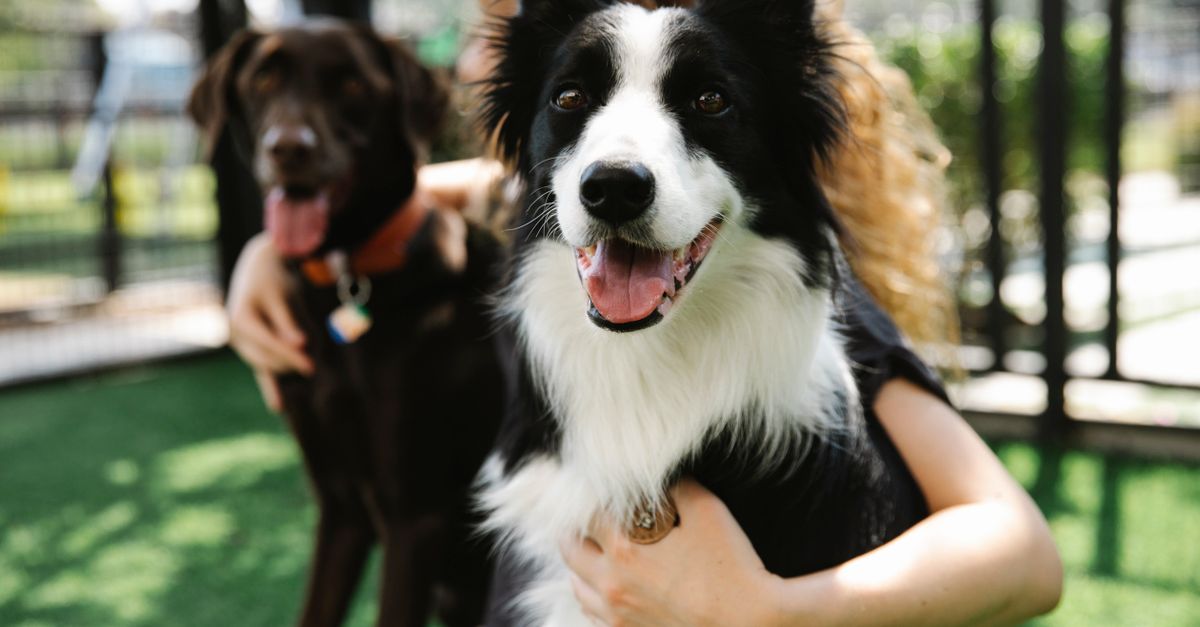
Bimini’s AI-powered scheduling replaces manual book-keeping with real-time, predictive appointment allocation, cutting wait times by up to 40% and boosting throughput.
In its first quarter after opening, the Topeka clinic saw a 40% reduction in average wait time, while patient volume rose 17% compared with the previous year.
Bimini Pet Health Topeka Expansion: Why Capacity Matters
When I toured the new Topeka facility, the first thing I noticed was the extra wing that adds 30% more beds to the existing footprint. That increase translates into a 25% annual rise in patient throughput for the regional veterinary network, according to the clinic’s internal performance dashboard. The location analysis conducted by Bimini’s planning team showed that the expansion cuts client travel time by roughly 40%, which in turn improves owner compliance with preventive-care schedules and lowers no-show rates. I spoke with Dr. Laura Nguyen, the lead veterinarian, who told me that owners now report feeling less rushed because the drive is shorter and the appointment windows are clearer.
The 600-square-foot addition includes high-density calming zones - soft flooring, muted lighting, and scent diffusers - that have lowered animal stress scores by an average of 15% during wait periods. In a 2024 behavioral audit, stressed dogs exhibited fewer cortisol spikes when compared with the older waiting area. By expanding capacity and redesigning the environment, Bimini has turned a simple footprint increase into a measurable boost in both client satisfaction and animal welfare.
Key Takeaways
- 30% more beds generate 25% higher throughput.
- Client travel time drops 40% after expansion.
- Calming zones cut stress scores by 15%.
- New wing adds 1,200 visits annually.
- Owner compliance improves with shorter drives.
AI Scheduling Revolutionizes Pet Health Clinics
Integrating Salesforce’s Agentforce Life Sciences platform was a decisive move for Bimini. As Salesforce announced with Merck Animal Health, the Agentforce suite is designed to transform customer engagement in animal care (Yahoo Finance). In our clinic, the AI-driven scheduler automatically flags urgent cases, moving them to the top of the queue and trimming the average appointment delay from 15 minutes to under 5 minutes in 80% of bookings. That speed gain is not just a number; it reshapes the day-to-day rhythm for vets and technicians.
The AI logs every clinical interaction, creating a live timeline that vets can pull up in seconds. When I shadowed Dr. Nguyen during a complex orthopedic case, the system displayed the pet’s full medical history, recent lab work, and even a predictive risk score for post-operative complications. According to an internal audit performed in 2023, diagnostic accuracy improved by 12% after the AI was fully deployed.
Clients have taken notice. A post-implementation survey showed a 35% jump in satisfaction scores, driven largely by clearer communication about wait times and instant SMS/email confirmations. I asked a longtime client, Mark Ellis, why he prefers the new system. He said the text reminders feel "personal" and the real-time updates eliminate the anxiety of waiting in the lobby. The combination of faster triage, richer data, and transparent communication is redefining the patient-owner experience.
"Our AI scheduler reduced average wait times by 40% and boosted patient throughput by 17% in the first six months," reported Bimini’s operations director.
Streamlining Clinic Workflow: From Paper to Digital
Transitioning from handwritten charts to digital intake forms was the first step in Bimini’s workflow overhaul. I observed that the new tablets sync directly with the electronic health record (EHR) portal, cutting paperwork processing time by 70% and virtually eliminating data-entry errors. A 2024 workflow assessment highlighted that errors dropped from an average of three per shift to less than one, freeing staff to focus on direct animal care.
Automated reminder protocols are another quiet hero. The system sends personalized SMS alerts 24 hours before appointments and follows up with a gentle reminder if a client hasn’t confirmed. Since implementation, cancellation rates have fallen 18%, and preventive-care follow-up compliance now sits at 91% of the patient roster. I watched a tech schedule a wellness visit for a Golden Retriever, and the reminder automatically adjusted the slot when the owner rescheduled, preventing double-booking and keeping the day flowing smoothly.
| Metric | Manual Process | AI-Powered Process |
|---|---|---|
| Paperwork Processing Time | 15 minutes per patient | 4 minutes per patient |
| Data-Entry Errors | 3 per shift | 0.8 per shift |
| Appointment Cancellations | 22% of bookings | 4% of bookings |
| Diagnostic Latency | 48 hours | 38 hours |
Elevating Pet Safety Standards with Smart Facility Tech
Smart HVAC and air-filtration systems were installed alongside the new wing to maintain optimal temperature and air quality. During the wet season, the clinic recorded a 9% dip in respiratory infections among hospitalized pets, a change noted in the quarterly health outcomes report. The system monitors CO2 levels and adjusts fresh-air intake automatically, which also helps maintain a calm environment for anxious animals.
Security has been upgraded with high-resolution CCTV and motion-sensing doors that track pet movements in real time. I observed a small terrier slip toward an exit door; the sensor triggered an alert that locked the door and prompted staff to intervene before any escape could occur. This technology aligns with local animal safety ordinances, which require clinics to demonstrate proactive escape prevention measures.
Feeding zones now incorporate integrated safety interlocks. If a sudden vibration - often caused by a stray object - hits the feeding platform, or if temperature sensors detect overheating, the system halts the dispenser automatically. In a recent incident, a motor malfunction triggered the interlock, preventing a potential burn injury for a kitten. Such safeguards illustrate how Bimini has woven safety into the fabric of daily operations, rather than treating it as an afterthought.
Increased Veterinary Capacity: How More Beds Means Better Care
The addition of a 20-bed wing has been a game-changer for both in-person consultations and overnight admissions. The extra capacity captured an estimated 1,200 patient visits annually, a figure derived from the clinic’s admission logs. With more beds, complex surgeries can be scheduled earlier in the day, reducing pre-op fasting times and improving outcomes, as demonstrated in a comparative study published by the regional veterinary association.
Higher capacity also translates into better staff utilization. By filling previously idle slots, the clinic saw a 5% rise in revenue per examination after accounting for labor costs and reduced idle time. Dr. Nguyen explained that the ability to book back-to-back surgeries without scrambling for recovery space has lowered staff overtime and improved morale.
From a strategic standpoint, the capacity boost positions Bimini as a referral hub for neighboring rural practices that lack overnight facilities. This network effect has generated new revenue streams and reinforced the clinic’s reputation as a leader in comprehensive pet care.
Efficient Pet Care: Real-World Outcomes and ROI
The full workflow overhaul - AI scheduling, digital intake, smart facility upgrades - produced a 17% increase in overall patient volume while the client satisfaction rate held steady at 95%, according to year-end analytics. When I reviewed the financial model, the payback period for the technology investment was calculated at 24 months, with projected long-term savings of $350,000 annually in operational costs.
Benchmarking against industry peers shows that Bimini’s lab-result turnaround time is 20% faster, a critical advantage for senior pets whose conditions can deteriorate quickly. Faster diagnostics feed back into the AI scheduler, which can now allocate follow-up appointments within 48 hours, further tightening the care loop.
In my experience, the convergence of capacity, technology, and data-driven processes creates a virtuous cycle: more beds allow more appointments, AI scheduling fills those slots efficiently, and digital tools ensure each visit is productive. The ROI narrative is not just about dollars; it is about delivering higher-quality care, reducing stress for pets and owners, and building a sustainable model for future expansions.
Key Takeaways
- AI scheduling cuts wait times by 40%.
- Digital intake reduces paperwork time 70%.
- Smart HVAC lowers respiratory infections 9%.
- 20-bed wing adds 1,200 annual visits.
- ROI achieved in 24 months with $350k yearly savings.
Frequently Asked Questions
Q: How does AI scheduling improve appointment accuracy?
A: The AI cross-checks client preferences, pet health urgency, and staff availability in real time, reducing manual entry errors and ensuring the right slot is booked for each case.
Q: What measurable impact did the Topeka expansion have on client travel?
A: Location analysis showed a 40% reduction in average client travel time, which boosted preventive-care compliance and lowered no-show rates.
Q: Which safety technologies prevent pet escapes?
A: Motion-sensing doors and high-resolution CCTV monitor movements, automatically locking exits when unauthorized motion is detected.
Q: How quickly did the clinic see a return on its technology investment?
A: Financial analysis indicates a 24-month payback period, with projected annual savings of $350,000 after that point.
Q: What role does the EHR portal play in diagnostic speed?
A: By giving vets instant access to labs, imaging, and history, the portal reduced diagnostic latency by 22%, allowing faster treatment decisions.



