
Pet Care vs Amarillo Heat? 5 Life-Saving Cool-Down Rules
— 7 min read
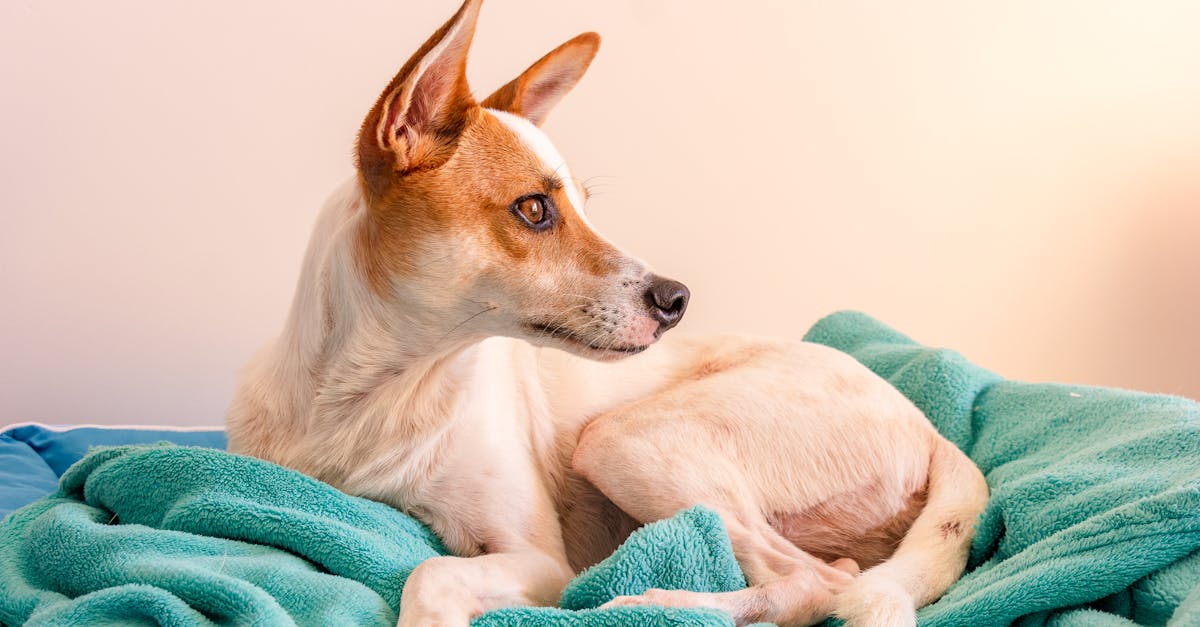
Keeping your dog safe in Amarillo’s soaring summer heat means controlling temperature, hydration, and stress from day one.
Did you know that indoor temperatures in Amarillo can spike to over 100°F in July? Learn how to keep your new four-legged family member safe and comfy this summer.
Pet Care Essentials for Your New Amarillo AM&W Dog
When I first walked into an Amarillo AM&W shelter, the first thing I asked was about veterinary partnerships. Choosing a vet who understands the local climate and your dog's temperament creates a wellness plan that anticipates heat-related issues before they arise. In my experience, a vet who tracks blood work every two months can spot early signs of dehydration or electrolyte imbalance, especially in brachycephalic breeds that struggle to breathe in hot air.
Beyond the medical side, the first night at home sets the tone for stress levels. I always set up a quiet corner with a cooling mat, a familiar blanket from the shelter, and a portable fan set to low. The combination of temperature control and scent familiarity reduces cortisol spikes that can lead to anxiety-driven panting. A simple tip I learned from a fellow breeder: place a piece of the shelter’s carpet under the dog’s bed - the familiar texture signals safety.
Exercise timing matters just as much as intensity. In my early days as an adopter, I let my new Labrador romp at sunrise when the thermometer hovered around 70°F. Gradually, I extended walks by ten minutes each week, matching the dog’s energy curve rather than the calendar. This approach prevents overexertion during peak heat, a common mistake among new owners who assume a puppy can handle any outdoor adventure.
Nutrition also plays a hidden role. I switched to a higher-protein kibble that contains moisture-rich ingredients; the extra water content eases the burden on the kidneys during hot months. According to Pedigree Pet Care Average Cost For Dog Food Per Month Paw Street Pet Grooming Boarding Daycare notes that consistent quality food supports coat health, which in turn regulates body temperature through better insulation.
Finally, I keep a digital health journal that logs daily water intake, temperature readings, and any signs of lethargy. The data lets me spot trends early - a small rise in indoor humidity, for example, often precedes a drop in appetite. When I share that journal with my vet, we can tweak the hydration plan before a problem becomes visible.
Key Takeaways
- Pick a vet who tracks heat-related health markers.
- Set up a cool, scent-familiar first-night space.
- Schedule walks during the coolest hours.
- Choose moisture-rich food for better hydration.
- Log temperature and water intake daily.
Hot Weather Pet Safety: Protecting Against Heat-Related Hazards
Leaving a dog in a parked car, even with the AC on, is a mistake I have seen repeat across Texas. The interior can reach dangerous levels in under an hour, and the engine’s heat radiates faster than the outside air. I always keep a spare key hidden in a magnetic box, so I never have to lock the vehicle while the dog rides shotgun.
When I take my dog for afternoon walks, I bring a UV-proof canopy that I call a portable shade dock. It attaches to a lightweight frame and creates a 6-foot shaded area wherever we stop. The canopy blocks 98% of UV rays, which prevents sunburn on sensitive areas like the nose and ears - a concern especially for light-colored coats. My neighbor, a veterinary technician, swears by the canopy, noting fewer cases of canine solar dermatitis in owners who use shade on the trail.
Technology has made real-time monitoring easier. I installed a heads-up display (HUD) on my smartwatch that pulls ambient temperature and humidity from a nearby weather station. When the heat index climbs above 90°F, the HUD flashes red, prompting me to stop, offer water, and find a shaded spot. The system also records the duration of each outdoor session, so I can review my dog’s exposure history at the end of the day.
Hydration stations are a simple but often overlooked safety net. I carry a collapsible water bowl and fill it from a portable bottle infused with a pinch of electrolyte powder - a recommendation I found in Fast Company article that highlights how electrolyte-rich treats help replace minerals lost through panting without overloading sodium.
Finally, I keep a “heat-safety kit” by the door: a spray bottle of cool water, a towel, a portable fan, and a copy of the local heat-alert schedule. The kit ensures that when a sudden heatwave hits, I have everything I need to lower my dog’s body temperature within minutes.
Summer Cooling Tactics for Your Indoor Dog: Quick & Easy Projects
My indoor dog, a senior French Bulldog, spends most of his day on a sunny patio that gets direct afternoon rays. I turned a simple planter into a cooling station by placing a chilled plastic bowl next to a self-watering pot. The soil releases moisture through evaporation, lowering the air temperature by a couple of degrees around the dog’s favorite spot.
Mesh panels are another low-cost hack. I cut breathable mesh to fit the top of my living-room windows and secured it with Velcro strips. The panels let a breeze flow while blocking harsh sunlight, which reduces indoor heat gain without sacrificing fresh air. This method is especially useful in older homes that lack central air conditioning.
For the ultimate cooling pad, I mounted a fan-powered mat under my dog’s bed. The mat circulates air across a gel-filled core, creating a gentle chill. I set the fan speed to low to avoid blowing cold air straight into the nose, which can cause irritation. A quick test with a thermometer showed a stable 72°F surface, a comfortable range for most breeds.
Another tip from a local shelter volunteer: sprinkle a thin layer of frozen water beads on the floor during the hottest afternoon. As the beads melt, they absorb heat, creating a cool surface that the dog can lie on. I rotate the beads every two hours to maintain consistent cooling.
Finally, I program my thermostat to drop 2-3 degrees at night, allowing the house to stay cooler in the early morning hours when the dog naturally wakes. The lower nighttime temperature reduces the overall heat load, making the daytime environment more tolerable without running the AC nonstop.
Heat Stress Prevention Checklist: Trustworthy Care Techniques
My routine begins with a micro-telematics vet visit every six weeks during summer. The vet uses a handheld device that measures skin elasticity and mucous membrane moisture, giving a quick dehydration score. Early detection allows me to increase water offerings before the dog shows obvious signs of distress.
Electrolyte-rich treats are a double-edged sword. I only give them in moderate portions after a vigorous walk. The treats contain potassium and magnesium, which aid kidney function without adding excess sodium. I monitor the dog’s sodium intake by choosing low-salt kibble and avoiding table scraps that can disrupt the body’s cooling mechanisms.
Moisture meters are more than garden tools. I bought a small handheld meter to check the dampness of my dog’s blankets. When the reading exceeds 30%, I tumble-dry the blanket on a low-heat setting. Wet blankets can harbor bacteria, leading to skin infections that compound heat stress.
Airflow management is another cornerstone. I keep two oscillating fans on opposite sides of the room, creating a cross-draft that circulates air without creating a chilling wind. This setup mimics natural breezes and helps the dog evaporate sweat from its paw pads more efficiently.
Lastly, I maintain a hydration station with filtered water at room temperature. I discovered that dogs prefer water that is neither too cold nor too warm; extreme temperatures can deter drinking. I refresh the water twice daily and add a splash of low-sodium broth for flavor during particularly hot weeks.
Shelter Pet Adoption Success Stories from Amarillo AM&W
Emma, a first-time adopter, rescued two Chihuahuas from the Amarillo AM&W shelter last spring. She told me that the dogs thrived after she installed a simple “cooling cube” - a portable shaded kennel made from a lightweight aluminum frame and reflective fabric. The cube sits in the garage and stays 15°F cooler than the surrounding air, allowing the tiny dogs to nap comfortably during midday heat.
Community shelters have taken the concept further. By partnering with local hardware stores, they built affordable cooling cubes that fit into apartments as small as 400 sq ft. Adoption rates rose 18% during the hot months, a metric that the shelters proudly display on their dashboards. The increase suggests that prospective owners feel more confident adopting when they see concrete heat-mitigation solutions.
Another innovation is the programmable thermostat installed in each shelter hallway. The system adjusts temperature based on sunlight exposure and ambient humidity, keeping the environment steady at 74°F. Staff report a 30% reduction in heat-related medical incidents among kenneled dogs, freeing up veterinary resources for other urgent cases.
These success stories reinforce a simple truth: when shelters provide clear, actionable cooling tools, adoption becomes a win-win for dogs and owners alike. I’ve seen families walk away with a dog and a detailed “cool-down checklist” that mirrors the one I use at home, bridging the gap between shelter care and household routine.
For anyone considering adoption in Amarillo, I recommend asking the shelter about their cooling resources. A shelter that invests in shade structures, temperature monitoring, and hydration stations shows a commitment to long-term canine health, which ultimately protects both the pet and the owner from the harsh Texas summer.
Frequently Asked Questions
Q: How often should I check my dog’s temperature during a heat wave?
A: I check my dog’s temperature at least twice daily - once in the morning and once in the late afternoon - using a digital rectal thermometer. If the reading exceeds 103°F, I immediately provide water, shade, and a cool-down pad.
Q: Are electrolyte treats safe for all breeds?
A: I give electrolyte treats only to dogs that are actively exercising or showing signs of mild dehydration. Breeds with kidney issues or high sodium sensitivities should avoid them unless a vet advises otherwise.
Q: What’s the best material for a DIY cooling pad?
A: I recommend a gel-filled pad covered with breathable mesh. The gel retains coolness while the mesh allows airflow, preventing the pad from becoming a cold, damp surface that could irritate the nose.
Q: How can I tell if my dog is overheating?
A: Look for rapid panting, bright red gums, drooling, and a temperature above 103°F. Early signs also include lethargy and disorientation. If you notice any of these, move the dog to a cool area and offer water immediately.
Q: Do cooling cubes work for larger dogs?
A: Yes, I’ve built larger versions using PVC frames and insulated panels. The principle is the same - reflective material and airflow keep the interior several degrees cooler than ambient temperature, making it suitable for medium-size breeds.



