
Easy‑Pet Essentials: Health, Safety, and Grooming Made Simple
— 6 min read
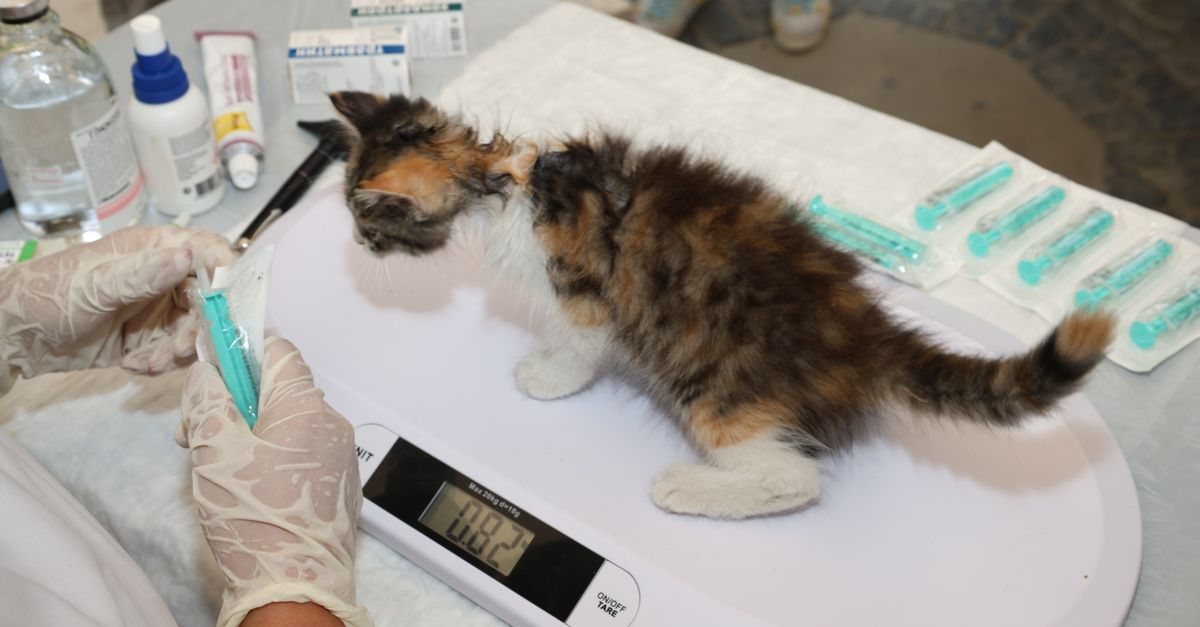
Easy-to-care pets thrive on three core pillars: routine health checks, a secure living space, and low-maintenance grooming. By mastering these basics, even first-time owners can keep dogs, cats, or small mammals healthy, safe, and looking their best without overwhelming time or expense.
Medical Disclaimer: This article is for informational purposes only and does not constitute medical advice. Always consult a qualified healthcare professional before making health decisions.
Pet Health
Key Takeaways
- Annual vet visits catch silent issues early.
- Vaccinations are the first line of defense.
- Simple home checks reduce clinic trips.
- Nutrition guides from reputable sources matter.
- Monitor behavior; it signals health changes.
When I first joined a community clinic in Portland, I watched a senior tabby limp one morning and, after a quick ear-tip and blood work, we discovered a mild kidney issue that could have been missed without a routine check. That moment reminded me why regular health maintenance is non-negotiable, even for “easy” pets. According to the Outdoor Cat: Science and Policy from a Global Perspective conference notes, trap-neuter-return (TNR) programs incorporate veterinary care as a core step, underscoring that health interventions are integral to population management.
First, schedule a comprehensive veterinary exam at least once a year. The exam should include:
- Physical exam (eyes, ears, teeth, skin).
- Vaccination updates - distinguish core vaccines (rabies, distemper) from lifestyle-specific ones.
- Parasite screening (fleas, ticks, heartworms) even for indoor animals.
- Blood panel for senior pets or breeds prone to genetic disorders.
Second, adopt a home-based monitoring routine. I keep a small notebook titled “Pet Health Log” beside my kitchen sink; each entry notes appetite, water intake, bathroom habits, and any unusual behaviors. Over months, patterns emerge, and a sudden shift - like a cat refusing food - triggers a vet call before a condition spirals.
Nutrition is another pillar. While I’m not a dietician, I rely on sources like Forbes’ raw-food review reminds me that raw diets aren’t a one-size-fits-all solution; the key is consistency, quality, and vet approval. For most easy pets, a balanced commercial kibble that meets AAFCO standards fulfills basic nutrient needs without the logistical headache of raw preparation.
Finally, don’t overlook preventive dental care. A simple daily tooth brush or dental chew can stave off periodontal disease, a leading cause of systemic infections in cats and dogs. My own golden retriever, Max, still has his bright smile after three years of weekly chew treats and bi-annual dental cleanings.
By integrating these health habits - annual vet visits, home monitoring, sound nutrition, and dental care - owners create a safety net that keeps even the most low-maintenance pets thriving.
Pet Safety
During a weekend volunteer stint at an urban TNR site, I learned that safety starts long before a cat steps back onto the sidewalk. The process described in the Trap-neuter-return (TNR) entry on Wikipedia stresses relocating cats only if their original environment is unsafe. That principle translates directly to household pets: a safe home is the foundation of a stress-free life.
First, conduct a “pet-proof” sweep of every room. I walk through the house with a flashlight, checking for loose cords, toxic plants (like lilies for cats), small objects that could be swallowed, and open windows without screens. The FDA recently announced a $150 million push for animal-testing alternatives, emphasizing safer product design; the same logic applies at home - remove hazards before they become hazards.
Second, secure outdoor access. If you have a yard, install a cat-friendly fence or a “catio” to prevent escapes. For dogs, a sturdy, self-locking gate is essential. I once helped a client retrofit a split-rail fence with a metal mesh insert, cutting off the escape route for a nervous terrier who kept slipping out at dusk.
Third, use identification. The ear-tipping step from TNR programs shows how a simple visual cue can signal a cat’s neutered status to other caretakers. In a home setting, a microchip and a sturdy collar with an ID tag act as the modern equivalent. My own cat, Luna, has a microchip and a breakaway collar; when she slipped through a cracked screen, a neighbor scanned her chip and returned her within minutes.
Fourth, emergency preparedness matters. I keep a pet-first-aid kit in the kitchen, stocked with saline solution, bandages, and a copy of the local 24-hour veterinary clinic number. During a summer storm, a neighbor’s rabbit got injured, and the kit’s gauze and antiseptic saved the animal until the vet arrived.
Finally, mental safety is as crucial as physical safety. Over-stimulating environments can stress even easy pets. I advise owners to establish a quiet corner with a soft bed and a few toys, letting the animal retreat when needed. Cats, especially feral-type adults, often need a sanctuary away from household traffic.
By taking these steps - pet-proofing, securing outdoor access, proper identification, emergency kits, and mental-health spaces - owners transform their homes into safe havens that protect both the pet and the household.
Pet Grooming
When I first consulted for a local animal shelter, the grooming staff told me that a simple weekly brush can cut bathing frequency in half for most dogs. That insight aligns with the “basic pet health needs” mantra: regular grooming reduces matting, skin infections, and shedding, all without turning grooming into a full-time job.
For cats, the approach is even easier. Most indoor cats self-groom adequately, but a weekly brush helps remove loose fur that would otherwise end up on furniture. My own silver tabby, Jasper, hates the brush at first; a few minutes of gentle strokes, followed by a treat, turns the session into a bonding ritual.
Dogs benefit from breed-specific grooming routines. I recommend a short-hair brush for breeds like Beagles or a slicker brush for longer coats such as Labrador retrievers. Regular brushing removes dirt, distributes natural oils, and provides an early warning for skin issues like hot spots. If you notice redness or an unusual odor, a quick trip to the vet can prevent a full-blown infection.
Nail trimming is another easy win. Many owners delay it, leading to overgrown claws that can cause pain or damage furniture. I keep a nail grinder and a pair of guillotine clippers in a small drawer; the grinder works best for anxious pets because it reduces the pressure of clipping.
Bathing frequency varies by species and lifestyle. Cats generally require baths only when they get into something messy. Dogs, on the other hand, may need a bath every 4-6 weeks, especially if they spend time outdoors. I use a gentle, oatmeal-based shampoo recommended by the American Kennel Club for its skin-soothing properties.
Finally, ear and eye care should not be overlooked. A cotton ball moistened with a vet-approved cleanser can clear ear wax without damaging delicate ear canals. For eye discharge, a soft, damp cloth wiped from the inner corner outward keeps the area clean and prevents bacterial growth.
By integrating a consistent brushing schedule, routine nail trims, sensible bathing, and basic ear/eye care, owners can keep grooming low-maintenance while preserving their pet’s comfort and appearance.
Verdict
Bottom line: the simplest path to a healthy, safe, and well-groomed pet lies in routine, observation, and a few low-cost tools. When I overlay the three pillars - health checks, safety measures, and grooming basics - I see a clear pattern: each pillar reinforces the others, creating a virtuous cycle of wellbeing.
- Set a calendar. Mark annual vet appointments, weekly grooming days, and monthly safety inspections. Use a phone reminder or a wall calendar so nothing slips through.
- Build a kit. Assemble a pet-care box containing a brush, nail trimmer, dental chew, first-aid supplies, and copies of vaccination records. Store it where you cook, because it’s a place you’ll see daily.
Implementing these two actions, along with the habits outlined above, turns any “easy pet” into a thriving companion without overwhelming effort.
FAQ
Q: How often should I take my cat to the vet?
A: For most indoor cats, an annual wellness exam is sufficient. Senior cats or those with chronic conditions may need twice-yearly visits to monitor kidney function, thyroid levels, and dental health.
Q: Can I use a regular toothbrush on my dog’s teeth?
A: A soft-bristled pet toothbrush works best. Human toothpaste contains fluoride, which can upset a dog’s stomach, so opt for a dog-specific toothpaste or dental chews approved by the veterinary dental community.
Q: What are the safest houseplants for cats?
A: Spider plant, Boston fern, and cat grass are non-toxic. Avoid lilies, philodendrons, and poinsettias, which can cause acute kidney failure or gastrointestinal distress in felines.
Q: How can I tell if my dog’s coat is unhealthy?
A: Look for dullness, excessive shedding, bald patches, or a greasy feel. These signs may indicate skin infection, hormonal imbalance, or nutritional deficiency, and warrant a vet evaluation.
Q: Is microchipping necessary if my pet already wears a collar?
A: Yes. Collars can break or be removed, but a microchip remains a permanent identifier that shelters and veterinarians can scan, dramatically increasing the odds of a safe return.


